Loading...
Serving Hacienda Heights, CA and surrounding areas. (626) 778-2276
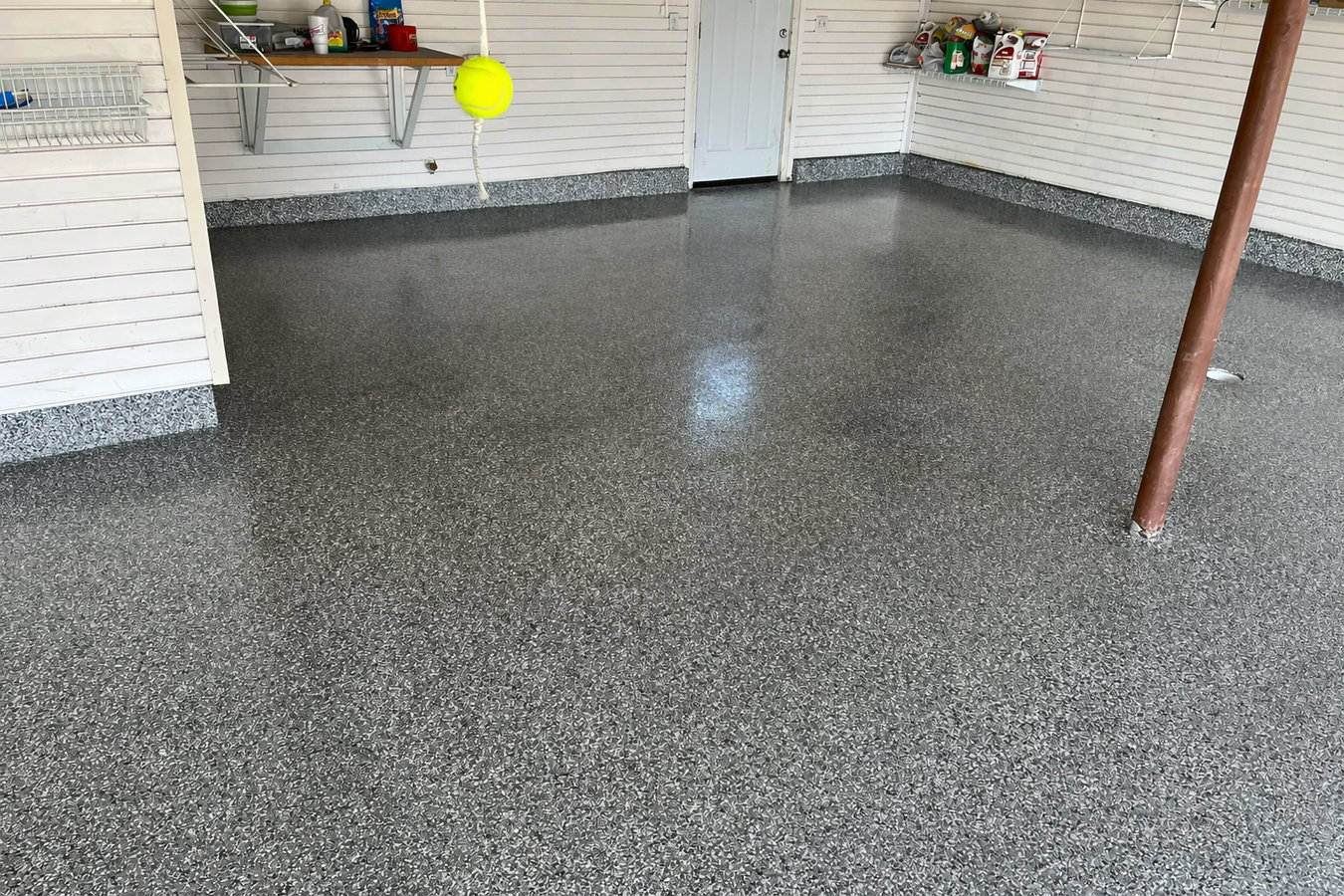
Cracked, spalling, or uneven? We pour new garage floors that handle Hacienda Heights clay soil and include the full LA County permit process.
Cracked, spalling, or uneven? We pour new garage floors that handle Hacienda Heights clay soil and include the full LA County permit process.
Garage floor concrete in Hacienda Heights means removing the old slab (if there is one), compacting and preparing the base, pulling an LA County building permit, and pouring a new four-inch slab with a broom finish and control joints - most two-car garages wrap up in one pour day on-site, then need about seven days before you drive on them.
Many homes in Hacienda Heights were built in the 1960s and 1970s, which means original garage slabs are now 50 or more years old. At that age, it is common to find slabs that have cracked, shifted, or spalled from decades of clay soil movement and Southern California weather cycles. A new pour with proper base preparation stops the cycle that wore out the old floor.
If you are also updating your garage space or converting it for another use, our decorative concrete options can give the floor a finished look, while our concrete floor installation service covers interior slabs throughout the home.
Hairline cracks are normal in older concrete, but if you can fit a pencil tip into a crack - or if cracks run all the way across the slab in multiple directions - the floor has likely shifted or settled beyond what a patch can fix. In Hacienda Heights, this kind of cracking is often caused by the clay soil underneath expanding and contracting through wet and dry seasons.
Walk across your garage floor and pay attention to whether it feels level. If one section is noticeably lower than another, or if water pools in a corner after rain, the slab has probably settled unevenly. This is a common issue in older Hacienda Heights homes where the original soil preparation did not meet today's standards.
If the top layer of your concrete is peeling away in chunks or turning powdery in spots, that is called spalling. It usually means the surface was damaged by moisture, age, or a poor original pour. Once spalling starts, it tends to spread - and a patched surface rarely holds up as well as a fresh pour.
Light oil drips can be cleaned. But if your garage floor has years of oil, grease, or chemical stains soaked into the concrete itself, no amount of cleaning will restore it. At that point, a new slab - or at minimum a professional coating over the existing surface - is the only way to get a clean, presentable floor.
We pour residential garage floor concrete for homeowners throughout Hacienda Heights and the surrounding San Gabriel Valley communities. Every project includes a free on-site estimate, the full Los Angeles County permit process, and everything from demolition of the old slab through base compaction, forming, pouring, finishing, and final inspection. Once your new floor has cured, we can discuss adding a protective coating or sealer - or if you want to upgrade the look of the space, our decorative concrete service covers stained and stamped options that work well on garage floors used as workshops or living spaces.
For homeowners who need work beyond the garage, we also offer concrete floor installation for other interior areas of the home. Whether you need a single garage slab or a larger scope of flatwork, we price each project clearly in writing before any work is scheduled.
Best for floors that have shifted, cracked through, or spalled past the point where patching makes sense.
Right for garages that never had a proper concrete slab, or where the old slab was already removed.
The most cost-effective option - durable, low-maintenance, and safe underfoot when wet.
Suited for homeowners who store heavy equipment, RVs, or plan a workshop where point loads are a concern.
Hacienda Heights sits in the Puente Hills area of the San Gabriel Valley, where clay-heavy soils are a defining feature of the terrain. Clay soil swells when it absorbs winter rain and shrinks back in the dry summer heat - and that seasonal movement is the single most common reason garage floors here develop cracks, dips, and uneven sections over time. Homes built in the 1960s and 1970s - which make up much of the housing stock in this community - often have original slabs that were poured over soil that was never adequately compacted. Replacing those slabs the right way means addressing the ground underneath, not just the concrete on top. The Los Angeles County Department of Public Works oversees permit and inspection requirements for all garage floor work in this unincorporated community.
Because Hacienda Heights is unincorporated, homeowners deal with Los Angeles County rather than a local city hall - and that matters when it comes to the permit process. We serve homeowners across this community and the surrounding areas. Our crews regularly work in Rowland Heights and Diamond Bar, where similar soil conditions and housing stock create the same kinds of garage floor issues.
We respond within one business day. Tell us your garage size, whether you have an existing slab, and what condition it is in. We schedule an on-site visit before giving a written price - site conditions like soil and truck access affect the cost.
We visit, measure, and walk through your finish options. You get a written estimate covering demolition, base prep, the pour, and permit fees. We then apply for the building permit through Los Angeles County on your behalf - you do not need to contact any county office.
If there is an old slab, we break it up and haul it away. We then grade and compact the soil, set the forms, and pour the new slab. The pour for a standard two-car garage typically wraps up in one day, with broom-finish texture and control joints cut in.
The floor stays undisturbed for 24 to 48 hours before foot traffic and at least seven days before driving. The county inspector signs off on the work - we schedule that. After the inspection passes, you are clear to move back in.
Free written estimate. We handle the LA County permit. No surprise line items on demo or disposal.
(626) 778-2276Hacienda Heights is unincorporated, so garage floor permits go through Los Angeles County rather than a city hall. We have pulled county permits for residential concrete projects throughout the San Gabriel Valley and know exactly what the process looks like. Your project is documented and legal before any work starts.
The expansive clay soils common in the Puente Hills area put real stress on concrete slabs from below. We compact the subgrade and prepare the base correctly before pouring - the step most cracking problems come back to. Skipping this is how a new floor cracks within a few years.
One of the most common complaints homeowners have with concrete jobs is discovering that demo and haul-off cost extra after the fact. Our written estimates spell out demolition, disposal, base prep, the pour, and permit fees - so you know the full number before work begins.
We hold a California C-8 Concrete Contractor License, which you can verify on the California Contractors State License Board website. We carry general liability and workers compensation on every job - your property is covered throughout the project.
Every one of these points connects to problems homeowners in Hacienda Heights actually run into - surprise costs, unpermitted work, floors that crack again within a few years. We do this work the right way because it is the only way that holds up in this community long-term.
The American Concrete Institute publishes standards for residential slab thickness, curing, and finishing that inform how we approach every garage floor project.
Transform a plain garage floor into a polished, stained, or stamped surface once your new slab has cured.
Learn moreInterior concrete floors for other rooms in your home - laundry, basement, converted spaces, and more.
Learn moreHot weather makes concrete work more difficult in Hacienda Heights - call now to lock in your date and avoid delays.