Loading...
Serving Hacienda Heights, CA and surrounding areas. (626) 778-2276
Cracking walls, sticking doors, or planning a new structure? We install foundations designed for Hacienda Heights clay soils, hillside lots, and seismic requirements.
Cracking walls, sticking doors, or planning a new structure? We install foundations designed for Hacienda Heights clay soils, hillside lots, and seismic requirements.
Foundation installation in Hacienda Heights involves a site assessment, an LA County permit application, excavation and soil preparation, steel reinforcement placement, a continuous concrete pour with county inspection, and a 28-day cure period - most residential jobs run three to ten days of on-site work, with the full timeline from first call to final inspection typically taking four to eight weeks.
Your foundation is what everything else in your home rests on. When it starts moving - because of expansive clay soil, hillside settlement, or age-related deterioration in an older Hacienda Heights home - walls crack, doors stick, and the problems compound over time. Getting an honest assessment from a contractor who knows this area's specific soil and seismic conditions is the most important first step.
If your project is a straightforward new concrete pad rather than a full structural foundation, a slab foundation build may be the right scope. For commercial or multi-unit properties that need a large paved surface, concrete parking lot building is handled separately. We will point you in the right direction during the estimate visit.
Diagonal cracks spreading from the corners of windows or doors, or long horizontal cracks running along interior walls, can mean the foundation is shifting or settling unevenly. In Hacienda Heights, expansive clay soils cause this kind of movement gradually over years as soil swells and shrinks with the seasons. A crack that was small last year and is noticeably larger this year is worth taking seriously.
When a foundation shifts, the frame of the house shifts with it, and one of the first signs is doors and windows that suddenly feel stiff, stick in their frames, or leave visible gaps. This is especially worth watching after a wet winter or a long dry spell - both affect the expansive clay soils common in the eastern San Gabriel Valley, and both can trigger noticeable foundation movement.
If you can see a gap where the walls meet the floor or ceiling that was not there before, or if baseboards have pulled away from the wall, the structure is moving in ways it should not. This is a sign that the foundation beneath may no longer be holding everything in place. Gaps that appear suddenly, or that widen over a few months, need professional attention.
If your home was built before the 1980s on one of Hacienda Heights hillside lots and has never had a professional foundation evaluation, you do not need visible damage to have a reason for concern. Some foundation issues develop slowly and are not obvious until they become serious. Homes from the 1950s through 1970s were built to older standards that did not include today's seismic reinforcement or moisture barrier requirements.
We install slab and raised perimeter foundations for homes, room additions, ADUs, and new structures throughout Hacienda Heights and surrounding communities. Every project starts with a free on-site assessment and includes the full LA County permit process, site excavation and preparation, steel reinforcement, the pour, and inspection coordination. If your project also requires a slab foundation build for a separate outbuilding or ADU on the same property, we can scope both in one estimate visit. For commercial or larger multi-surface projects, concrete parking lot building is handled under a different scope and we can clarify which applies to your project.
We work on both flat lots and hillside lots throughout Hacienda Heights. Sloped properties require additional excavation, grading, and often retaining work before the foundation can be set. We include those elements in our estimates so you see the full cost before committing to anything. We also flag when soil conditions or project complexity may require a geotechnical engineer's report - which the county sometimes requires before approving a permit on more complex hillside jobs.
For new garages, ADUs, and room additions requiring a concrete pad poured directly on the ground.
For homes or additions that require a crawl-space foundation with concrete perimeter walls supporting the floor structure.
For Hacienda Heights homes from the 1950s to 1970s whose original foundations have deteriorated or no longer meet current standards.
For sloped lots that require excavation, grading, and soil stabilization before any foundation work can begin.
Hacienda Heights was built out in the 1950s through 1970s, which means a substantial share of the homes here are now sitting on original foundations that were not designed to current seismic standards or built with today's moisture barrier requirements. The expansive clay soils common throughout the Puente Hills area create a slow but real stress on those older foundations over time, as the ground swells in wet winters and contracts in dry summers. Combine that with the hillside terrain that characterizes so much of the neighborhood, and you have conditions that require a contractor who has actually worked in this area - not just someone with a general concrete license from across the valley.
We serve all of Hacienda Heights as well as nearby Covina and Whittier, where similar soil and seismic considerations apply. Homeowners who want to understand what Los Angeles County requires for foundation work can start with the LA County Department of Public Works . For seismic hazard information specific to this area, the California Geological Survey seismic hazard maps show the specific designations for Hacienda Heights and the surrounding communities.
We respond within one business day. We ask about your home, its age, and what you have noticed - and we schedule an in-person visit before giving you any price, since foundation work cannot be accurately quoted without seeing the site.
We look at your lot, check for soil movement signs, and review existing foundation conditions. You receive a written, itemized estimate covering excavation, base prep, materials, steel, labor, and LA County permit fees - before any commitment.
We submit the permit application to Los Angeles County on your behalf and coordinate the required inspections. Processing typically takes one to three weeks - we factor this into the schedule so you know what to expect.
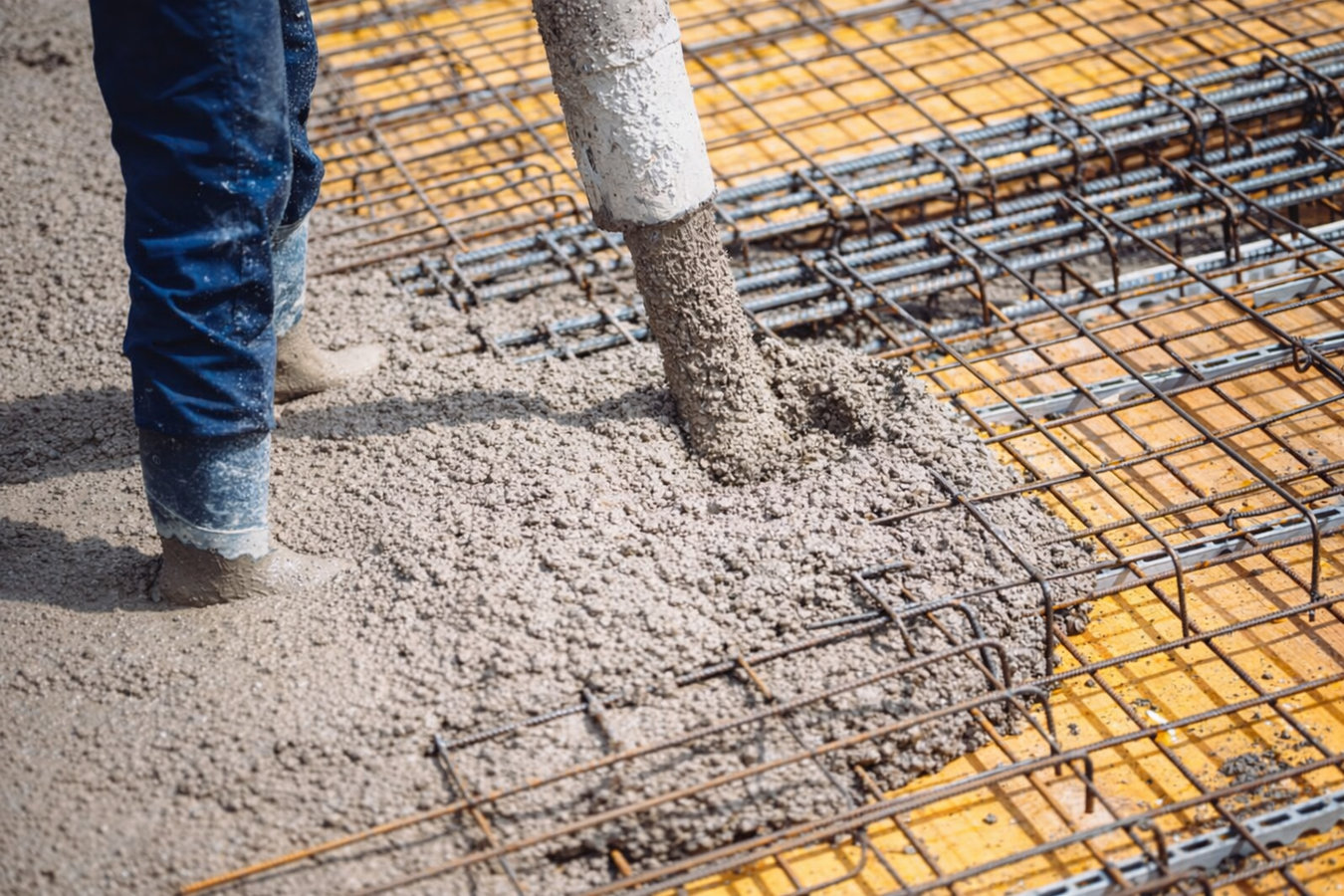
We excavate, set forms and steel, and pour the concrete - typically over three to ten days depending on scope. A county inspector visits before the pour and at final completion. The foundation needs 28 days of curing before being built on.
We visit the site, look at what is actually there, and give you a straight answer and a written estimate - no commitment required to get started.
(626) 778-2276A significant share of properties in Hacienda Heights sit on sloped terrain, and foundation work on a hillside lot is a different job than work on flat ground. We have completed foundation projects on hillside lots in this area and know how to handle the grading, retaining, and drainage work that comes with them - not just the pour.
Hacienda Heights sits near the Puente Hills fault system, and the county's permit review process for foundations in this area takes seismic reinforcement requirements seriously. We build the correct steel layout into every foundation job here - it is not an upgrade or an add-on, it is standard on every project.
Because Hacienda Heights is unincorporated, all permits go through Los Angeles County rather than a city. We have submitted foundation permits through the county many times and know exactly what the plan checker needs. You do not visit any government office or figure out which department to call - we handle all of it.
Foundation work on older Hacienda Heights homes can uncover unexpected conditions. When that happens, we explain what we found in plain language and present your options before any additional work is done. The original estimate does not change without your approval - no invoice surprises at the end of the job.
Foundation work is one of the highest-stakes projects a homeowner can undertake. The soil assessment, the permit process, and the reinforcement design are what determine whether the foundation holds up through decades of wet winters and dry summers. Those are the things we focus on, and they show in the finished work.
To verify a contractor license in California, visit the Contractors State License Board . For concrete industry standards, the American Concrete Institute publishes the standards contractors and inspectors reference for residential foundation work.
Large concrete flatwork for commercial lots, multi-unit driveways, or paved surface areas.
Learn moreNew slab pours for garages, ADUs, and room additions that do not require a full raised perimeter foundation.
Learn moreCall Hacienda Heights Concrete Company today - LA County permit timelines are long, and starting the process now means your project gets done sooner.