Loading...
Serving Hacienda Heights, CA and surrounding areas. (626) 778-2276
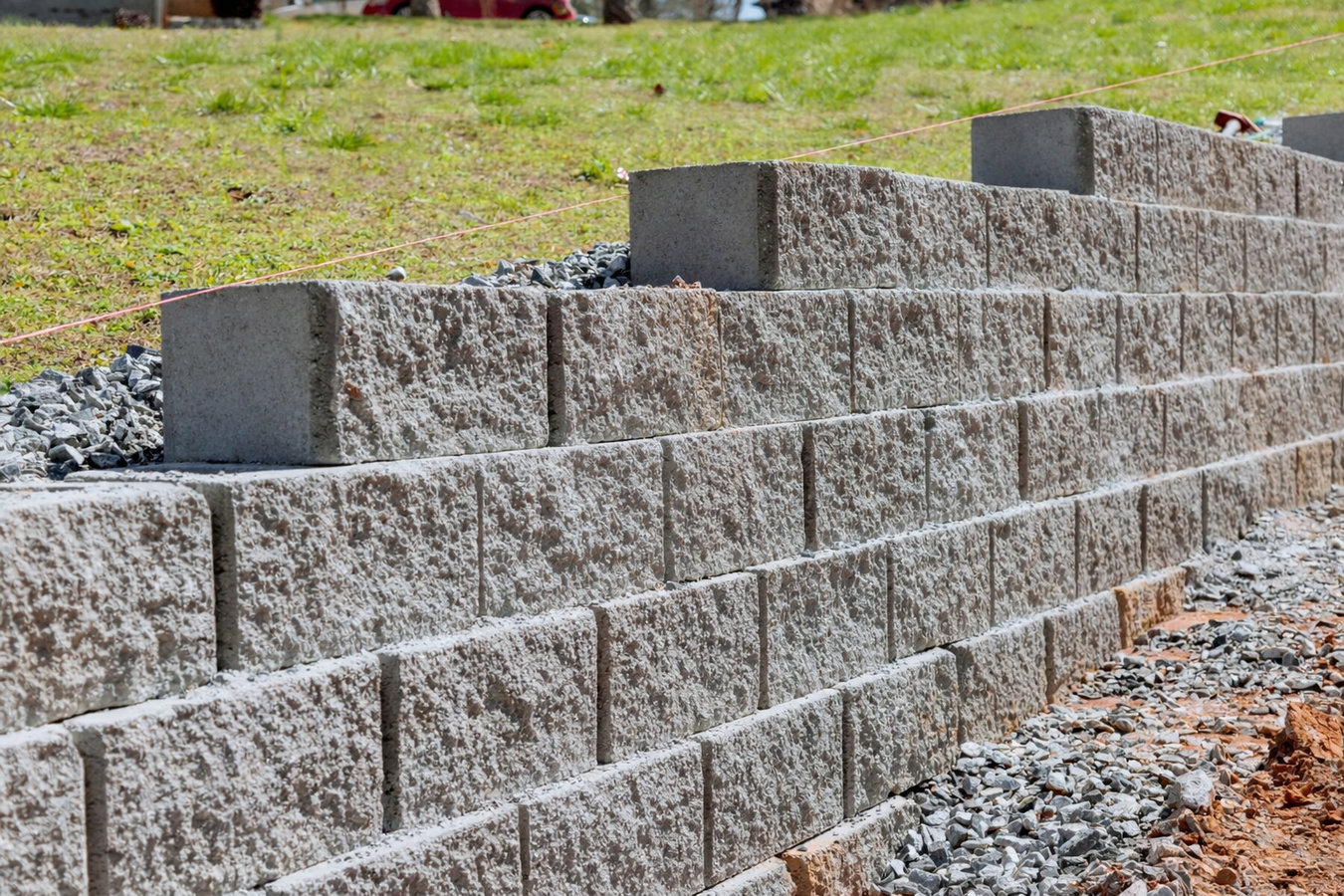
Soil sliding after rain, an aging wall leaning away from the slope, or a hillside project that needs a proper foundation - we build concrete retaining walls designed for the clay soils and grades common in Hacienda Heights.
Soil sliding after rain, an aging wall leaning away from the slope, or a hillside project that needs a proper foundation - we build concrete retaining walls designed for the clay soils and grades common in Hacienda Heights.
Concrete retaining walls in Hacienda Heights hold back hillside soil by combining a buried footing, a poured concrete wall, and drainage material behind the face - most residential jobs run two to four days on-site from excavation through cleanup, plus LA County permit time if the wall clears 4 feet tall.
If your yard is on a slope - and a lot of yards in Hacienda Heights are - a failing or absent retaining wall is more than an eyesore. The clay-heavy soils in the Puente Hills area expand in wet winters and contract in dry summers, and that movement slowly pushes soil downhill onto driveways, patios, and foundations. A concrete retaining wall stops that movement permanently instead of just slowing it down.
Retaining walls and concrete steps often go together on hillside lots - if your slope needs a wall, there is a good chance a set of steps connecting the upper and lower levels would make the yard more functional at the same time.
If soil, mulch, or gravel is migrating downhill onto your driveway or patio after rain, your slope is actively moving. In Hacienda Heights, clay soils swell with winter rain and hillside lots are common - this kind of slow creep is an early warning that the slope is not stable. It gets worse each rainy season without intervention.
A wall leaning even slightly toward you is under more pressure than it can handle. Horizontal cracks across the face, or gaps opening between the wall and the soil behind it, are signs of failure. Many older walls in Hacienda Heights were built in the 1960s and 1970s without drainage systems - those walls are reaching the end of their life.
If water collects at the bottom of a slope after irrigation or rain, the soil above is saturated with nowhere to drain. Saturated clay soil is heavier and far more likely to slide. This puts enormous pressure on any wall or structure at the base of that slope, and it tends to get worse with each wet season.
Any time you add weight or change the grade on a sloped property, you need to address what is holding the soil in place. If you are planning a patio, pool, or room addition on a hillside lot, a retaining wall is often a required part of the project - not an optional upgrade. Your contractor will flag this during the planning phase.
We build new poured concrete retaining walls and replace aging walls that are leaning, cracking, or draining poorly throughout Hacienda Heights and the surrounding communities. Every project starts with a free on-site estimate, includes the full LA County permit process for walls over 4 feet, and covers excavation, footing, forming, the pour, gravel backfill, and perforated drainage pipe installation behind the wall. If your yard also needs concrete floor installation in a garage or lower-level space near the wall, or if you want to add concrete steps connecting the upper and lower parts of a sloped lot, we can scope all of it during the same estimate visit.
For most residential hillside lots, a plain poured concrete wall is the most durable and cost-effective option - we also build a block retaining wall where the project or budget calls for it. For homeowners who want the wall to blend with or complement existing hardscape, we also offer finishes and textures that improve the look without compromising structural performance.
Best for slopes without an existing wall or lots where the old wall needs to be removed and rebuilt from the footing up.
Right choice when an existing slope has pooling or saturation issues that a wall alone will not solve without proper drainage design.
Suited for homeowners adding a patio, pool, or outdoor living area on a sloped lot where grade changes require structural support.
For walls from the 1960s and 1970s that are tilting, cracking, or showing drainage failure - replacement is often more cost-effective than repair.
Hacienda Heights was developed primarily in the 1950s through 1970s on graded hillside lots carved out of the Puente Hills terrain. Many of the retaining walls built during that era were constructed before current drainage and engineering standards were common practice - no perforated pipe, no gravel backfill, footings that may not be deep enough for the clay soil conditions in this area. Those walls are now 50 to 60 years old and failing in predictable ways: horizontal cracking, top-leaning, and soil migration downhill after every wet winter. Replacing one the right way is significantly less expensive than dealing with the damage after it collapses. The wildfire-prone hills around Hacienda Heights add another layer: post-fire erosion can destabilize slopes that were previously holding, which is why homeowners on or near hillsides sometimes find a retaining wall becomes urgent after a dry fire season, not just a long-term project.
We serve all of Hacienda Heights, including the hillside neighborhoods near Turnbull Canyon, as well as nearby Whittier and Diamond Bar, both of which share the same hillside terrain and clay soil conditions. For homeowners who want to understand the county permit requirements before calling a contractor, the LA County Department of Public Works, Building and Safety division is the official starting point.
We respond within one business day. We will schedule a time to walk your property in person - we look at the slope, soil, any existing walls, and where water flows during rain before giving you any numbers.
You receive a written, itemized estimate covering excavation, drainage, forming, concrete, and cleanup. If your wall will be over 4 feet tall, we walk you through the LA County permit process and the expected timeline.
We submit the permit application to the LA County Department of Public Works on your behalf. You do not visit any county office. While the permit is processing, we help you prepare the work area.
We dig the footing, pour the wall, and install gravel backfill and drainage pipe behind it before any soil goes back. This drainage step is non-negotiable - it is what keeps the wall standing through wet winters.
We walk your property, look at the soil and drainage, and give you a written estimate - no obligation to move forward.
(626) 778-2276Hacienda Heights sits on expansive clay soils in the Puente Hills foothills, and a large share of the properties here are on graded hillside lots. We design the footing and drainage with that soil behavior in mind on every project - not as an add-on, but as the baseline.
Retaining walls over 4 feet require permits through Los Angeles County, and the plan check process has its own timeline. We file the application, coordinate with the county, and keep you updated. You never need to call a county office or figure out the unincorporated jurisdiction process yourself.
Water pressure is the number one cause of retaining wall failure. We install gravel backfill and perforated drainage pipe behind every wall we build. Any contractor who leaves this out of a bid is cutting a corner that will cost you in a few years - we do not do that.
You get a written estimate that breaks out excavation, drainage, forming, concrete, and permit fees before work is scheduled. The number you sign is the number you pay - no adjustments after the crew shows up. This is standard practice for us, not an exception.
A retaining wall that is permitted, drained, and properly footed for the soil conditions here does not need to be replaced in 10 or 15 years - it should outlast the people who commissioned it. That is the standard we hold ourselves to on every project, and the reason homeowners in this area call us back for other work after their wall is done. For information on concrete construction standards, the American Concrete Institute publishes technical resources that back up what quality contractors do in the field.
Pour or replace a concrete floor in the garage or lower-level space below your retaining wall project.
Learn moreConnect the upper and lower levels of your sloped lot with durable concrete steps built to the same standard as the wall.
Learn moreCall Hacienda Heights Concrete Company today - we walk your slope, assess the soil and drainage, and give you a written estimate before any work is scheduled.